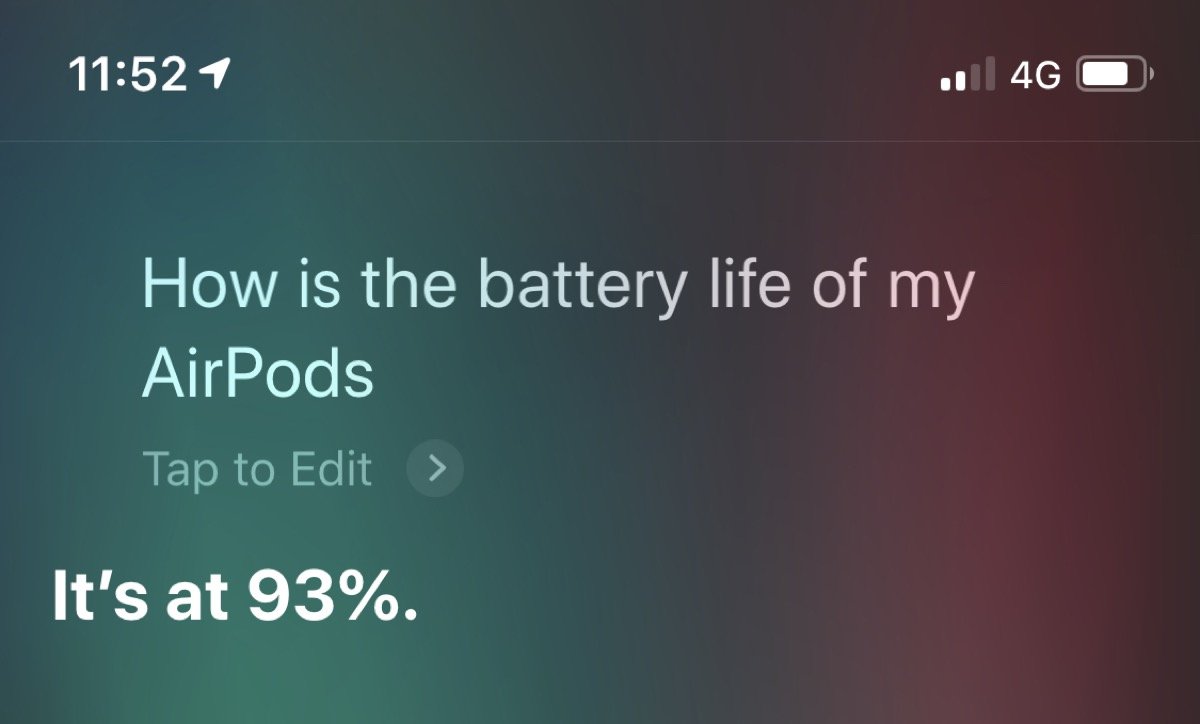
The magic of Apple's 1st Generation AirPods, first introduced to the world in 2016, is undeniable. Even years later, these iconic white earbuds still deliver a fantastic, truly wireless audio experience. But if you're like many loyal users, you've probably noticed that your beloved 1st Gen AirPods aren't holding a charge like they used to. That's a completely normal part of owning any battery-powered device, but it doesn't mean you're powerless. This comprehensive guide is dedicated to Optimizing 1st Gen AirPods Battery Life & Longevity so you can keep enjoying your audio for as long as possible.
Let's dive into the practical strategies and essential habits that will help your trusty AirPods defy the inevitable march of battery degradation, giving you more listening hours and extending their overall usefulness.
At a Glance: Key Takeaways for Longer AirPods Life
- Mind Your Volume: Lower listening levels significantly extend battery life.
- Charge Smart: Aim for the 20-80% rule; avoid full depletion or constant 100%.
- Case is Key: Always store AirPods in their charging case when not in use.
- Temperature Matters: Keep your AirPods away from extreme heat or cold.
- Cleanliness Counts: Regular cleaning of AirPods and the case ports ensures optimal connection.
- Disable "Hey Siri": Prevent constant microphone drain if you don't use it.
- Update Firmware: Keep your AirPods software up-to-date for efficiency improvements.
The Unspoken Truth: Why 1st Gen AirPods Batteries Fade
Every rechargeable battery, including the tiny ones nestled inside your 1st Gen AirPods and their charging case, is a marvel of engineering designed with a finite lifespan. These are lithium-ion batteries, and while incredibly efficient, they degrade over time due primarily to two factors: age and charging cycles.
Think of a charging cycle as one complete drain and recharge of the battery, or the equivalent accumulation of partial charges that add up to 100%. Your 1st Gen AirPods batteries are designed for approximately 300 to 500 such cycles before their capacity significantly diminishes. Beyond this, you'll notice a marked reduction in how long they last. Typically, this translates to about two years of regular use before you start feeling a real pinch in performance.
Unlike newer models, 1st Gen AirPods offer around 5 hours of listening time on a single charge and up to 24 hours total with the charging case. These numbers are based on ideal conditions (like 50% volume). When you start noticing that your earbuds only last a couple of hours, or even less, it's a clear sign that the internal batteries are nearing the end of their optimal life. Understanding this natural degradation isn't about resignation; it's about empowerment. Knowing the limitations allows you to adopt habits that slow this process down. For a deeper dive into everything else these original earbuds offered, check out our guide on All about 1st generation AirPods.
Understanding What Drains Your AirPods Most
To effectively optimize your AirPods' battery life, you first need to understand the main culprits behind power consumption. It's not just about how old they are; it's also about how you use them.
1. Your Usage Patterns
How you interact with your AirPods day-to-day has a massive impact:
- High Volume Levels: Cranking up the volume might feel great for your music, but it's a huge battery drain. Pushing the audio drivers harder requires significantly more power. Apple's stated battery life benchmarks (like the 5 hours for 1st Gen AirPods) are usually based on a moderate 50% volume.
- Frequent Calls & Microphone Use: Voice calls demand continuous power for both audio playback and microphone input. Features like "Hey Siri," which keep the microphones active and listening for the hot word, also contribute to background drain, even when you're not actively speaking.
- Continuous Playback: While obvious, uninterrupted listening means the batteries are constantly working. Short breaks where your AirPods are returned to the case give them a chance to rest and top up, minimizing deep discharge.
2. Environmental Factors
Your AirPods are delicate instruments, especially when it comes to temperature:
- Extreme Temperatures: Lithium-ion batteries are very sensitive to heat and cold. Operating or storing your AirPods in very hot environments (like leaving them in a car on a sunny day) can cause rapid, irreversible damage to the battery's chemical structure. Conversely, very cold temperatures can temporarily reduce performance and capacity. The ideal operating range is 0° to 35°C (32° to 95°F).
- High Humidity: While not as direct a battery drainer, excessive humidity can lead to corrosion of internal components over time, potentially impacting battery connections and overall performance.
3. Your Charging Habits & Battery Age
How and when you charge your AirPods plays a crucial role in their long-term health:
- Frequent Complete Depletion: Regularly letting your AirPods run down to 0% before charging is known to stress lithium-ion batteries and shorten their lifespan. This is often referred to as a "deep discharge."
- Constant Charging to 100%: Similarly, keeping your AirPods at 100% charge for extended periods, especially in the case, isn't ideal for battery longevity. While modern devices have circuitry to prevent severe overcharging, consistently topping them off puts continuous stress on the battery.
- Natural Degradation: As mentioned, batteries simply age. Each charging cycle, and even just the passage of time, contributes to a gradual and irreversible loss of maximum capacity.
4. Specific AirPods Features (Relevant to 1st Gen)
While 1st Gen AirPods lack advanced features like Active Noise Cancellation (ANC) or Spatial Audio, they still have functions that consume power:
- "Hey Siri" Activation: If enabled, your AirPods' microphones are always listening for your voice command, drawing a small but continuous amount of power.
- Automatic Ear Detection: This feature uses sensors to detect when an AirPod is in your ear, automatically playing or pausing audio. While convenient, the sensors and processing do consume some battery.
- "Find My Network": The "Find My" feature allows you to locate your AirPods. While generally low-power, if constantly searching or actively pinging their location, it can contribute to minor background drain.
By understanding these power-draining factors, you're better equipped to implement the strategies below and take control of your AirPods' battery destiny.
Mastering Daily Use: Maximize Your Listening Time
You can significantly extend the usable listening time of your 1st Gen AirPods with a few simple adjustments to your everyday habits. These aren't just about longevity; they're about getting more out of each charge right now.
1. Dial Down the Volume
This is perhaps the simplest and most effective change you can make. As noted earlier, lower volume levels require less power from the tiny batteries. If you typically listen at 75% or 80%, try reducing it to 50-60%. You might be surprised how little difference it makes to your enjoyment, but how much it helps your battery. This small adjustment can add 30 minutes to an hour of listening time per charge.
2. Disable "Hey Siri"
The always-on "Hey Siri" feature, while convenient, means your AirPods' microphones are constantly active, listening for your command. This constant listening consumes battery power.
How to disable "Hey Siri":
- On your paired iPhone, go to Settings > Bluetooth.
- Tap the (i) icon next to your AirPods.
- Under "Double-Tap on AirPod" (or "Microphone" settings), you might find an option related to Siri. For 1st Gen, the primary "Hey Siri" control is usually tied to your iPhone's Siri settings or the microphone setting. To ensure the AirPods aren't listening for "Hey Siri," you'll usually disable it system-wide.
- Go to Settings > Siri & Search.
- Toggle off "Listen for 'Hey Siri'." This will prevent your AirPods (and iPhone) from constantly listening. You can still activate Siri by double-tapping an AirPod (if configured) or holding the side button on your iPhone.
3. Embrace Single AirPod Use
When one AirPod runs low, don't just put both away. Pop the low one back in the case to charge, and continue listening with the other. The 1st Gen AirPods are excellent for this because either earbud can function independently. When the first one is fully charged, swap them out. This effectively doubles your listening time in low-battery situations.
4. Disconnect When Not in Use
Your AirPods are constantly trying to maintain a Bluetooth connection to your paired device, even if no audio is playing. This background activity consumes battery.
How to disconnect manually:
- Swipe down from the top-right corner of your iPhone (or up from the bottom for older models) to open Control Center.
- Tap and hold the music playback control widget.
- Tap the AirPlay icon (a triangle with concentric circles) in the top right.
- Select your iPhone's internal speakers instead of your AirPods.
Or, simply turn off Bluetooth on your iPhone when you're not using any Bluetooth accessories.
5. Optimize Automatic Ear Detection
Automatic Ear Detection is designed to pause audio when you remove an AirPod and resume when you put it back in. While convenient, the sensors consume power. If battery life is your top priority, consider disabling it.
How to adjust Automatic Ear Detection:
- On your paired iPhone, go to Settings > Bluetooth.
- Tap the (i) icon next to your AirPods.
- Toggle off "Automatic Ear Detection."
With this off, audio will continue to play even if you remove an AirPod, so you'll need to manually pause it.
6. Minimize Microphone Usage
Beyond "Hey Siri," actively using the microphone for calls or voice memos continuously draws power. If you're on a long call, consider switching to your phone's speaker or handset for parts of the conversation if possible. You can also configure which AirPod's microphone is active.
How to adjust Microphone settings:
- On your paired iPhone, go to Settings > Bluetooth.
- Tap the (i) icon next to your AirPods.
- Tap "Microphone."
- You can select "Always Left AirPod," "Always Right AirPod," or "Automatically Switch AirPod." If you use one AirPod more often, setting it to "Automatically Switch" might allow the less-used AirPod's mic to rest. However, if you consistently use one AirPod for calls, assigning the mic to that specific AirPod can prevent unnecessary activation of the other.
By implementing these usage optimizations, you'll not only see an immediate improvement in your daily listening time but also contribute to the long-term health of your 1st Gen AirPods' batteries.
Smart Charging & Storage: The Longevity Secrets
Beyond how you use your AirPods, how you charge and store them is equally critical for maximizing their battery lifespan. These practices focus on reducing the stress on the lithium-ion cells themselves.
1. Make the Charging Case Your AirPods' Home
This is arguably the most crucial habit. When you're not actively listening, always put your AirPods back into their charging case. The case acts as a protective shell, preventing physical damage, but more importantly, it's designed to keep the AirPods topped up efficiently. It provides a consistent trickle charge, ensuring they're ready for your next use without undergoing deep discharges.
2. Resist the Lid-Flipping Fidget
It's tempting to idly open and close your AirPods case, but each time you do, your AirPods wake up, activate their connection features, and search for your paired device. Even if it's just for a few seconds, this repeated activation consumes a small amount of battery from both the AirPods and the case. Keep the lid closed until you're ready to use them.
3. Embrace the 20-80% Charging Rule
For lithium-ion batteries, continuously charging from 0% to 100% and letting them fully drain is detrimental over time. The "sweet spot" for maximizing battery longevity is generally considered to be keeping the charge level between 20% and 80%.
- Avoid Complete Depletion: Try to charge your AirPods when their battery drops to around 20%. This prevents the stress associated with a "deep discharge."
- Don't Obsess Over 100%: While it's okay to charge to 100% occasionally, try not to keep them there constantly. If you know you'll be using them soon, a partial charge to 80% is often sufficient and better for long-term health. The case will stop charging the AirPods when they reach 100%, but if the case itself is plugged in and the AirPods stay inside, they'll experience tiny discharge/recharge cycles as they naturally lose a bit of power.
4. Don't Overcharge the AirPods Case
Similar to the AirPods themselves, constantly keeping the charging case plugged in, especially after it's reached 100%, can contribute to minor battery degradation over time. Unplug the case once it's fully charged, or if you use a wireless charging pad, remove it when done.
5. Store Smart for Extended Periods
If you plan to store your 1st Gen AirPods unused for an extended period (weeks or months), don't leave them fully charged or completely depleted. The recommendation for lithium-ion batteries is to store them with about a 50% charge.
- Charge the case to roughly 50%.
- Ensure the AirPods inside are also around 50%.
- Store them in a cool, dry place. Avoid direct sunlight or humid environments.
This partial charge minimizes stress on the battery cells during inactivity.
6. Always Use the Original Charging Case
The charging case that came with your 1st Gen AirPods is specifically designed for them, ensuring optimal charging efficiency and safety. While third-party cases might exist, stick to the original to avoid potential compatibility issues, inefficient charging, or even damage to your AirPods' batteries.
By adopting these smart charging and storage habits, you're not just getting more life out of each charge; you're actively working to extend the overall useful lifespan of your 1st Gen AirPods.
Essential Maintenance & Settings Tweaks
Beyond usage and charging habits, a few maintenance routines and software settings can further safeguard your 1st Gen AirPods' battery health and performance.
1. Keep Them Clean
Dirt, lint, and earwax are the enemies of good connections and proper sensor function.
- AirPods: Gently clean the speaker meshes, microphone ports, and charging contacts on the stems using a soft, dry, lint-free cloth or a dry cotton swab. For stubborn wax, a soft-bristled, clean toothbrush can carefully dislodge debris. Avoid liquids.
- Charging Case: Pay special attention to the charging contacts inside the case where your AirPods sit. Use a dry cotton swab or a soft brush. Clean the Lightning port on the bottom of the case with a non-metallic pick (like a wooden toothpick) to remove any accumulated lint or dust. A clean connection ensures efficient charging.
2. Avoid Extreme Temperatures & High Humidity
Reinforcing what we discussed earlier: consistency is key. Never leave your AirPods in direct sunlight, in a hot car, or near heat sources. Similarly, avoid leaving them in very cold environments for prolonged periods. High humidity can also contribute to internal corrosion over time. Always store them in their case, in a dry, room-temperature environment.
3. Regularly Update AirPods Firmware
Apple frequently releases firmware updates for AirPods that can include performance improvements, bug fixes, and—crucially—optimizations for battery management. Your AirPods typically update automatically when connected to your iPhone and placed in their charging case.
How to check your firmware version:
- Place your AirPods in their case, ensure the case is open, and they are connected to your iPhone.
- Go to Settings > Bluetooth.
- Tap the (i) icon next to your AirPods.
- Scroll down to find the "Firmware Version."
If an update is available, it will usually install automatically in the background. If you suspect an issue, fully charge them, put them in the case, connect to your iPhone, and leave them near your iPhone for a while.
4. Enable Low Power Mode on Your iPhone
While this doesn't directly affect the AirPods' battery, putting your paired iPhone (or other Apple device) into Low Power Mode can reduce the overall power consumption of the ecosystem. This can indirectly reduce the frequency with which your AirPods need to connect and communicate, potentially saving a tiny bit of power.
How to enable Low Power Mode:
- Go to Settings > Battery.
- Toggle on "Low Power Mode."
5. Turn Off "Find My Network" (If Not Actively Needed)
Your 1st Gen AirPods support the basic "Find My" feature, which allows you to see their last known location or play a sound. If you're not actively using this feature and are extremely concerned about every last drop of battery, you can manage its activity. While typically very low power, continuous searching could contribute to minor drain.
How to adjust Find My settings:
- On your iPhone, open the Find My app.
- Tap on "Devices."
- Select your AirPods.
- You can toggle off "Find My Network" here if you wish, though it's generally recommended to keep it on for security. This is more relevant for the newer AirPods models that leverage a wider network for locating, but a general awareness for 1st Gen is good.
6. Reset and Re-Pair as a Last Resort
If you're experiencing persistent and unexplainable battery drain, or connection issues, a full reset of your AirPods and re-pairing them with your device can sometimes resolve software glitches that might be contributing to battery issues.
How to reset your AirPods:
- Place both AirPods in the charging case and close the lid for 30 seconds.
- Open the lid.
- On your iPhone, go to Settings > Bluetooth, tap the (i) icon next to your AirPods, and then tap "Forget This Device."
- With the AirPods still in the case and the lid open, press and hold the setup button on the back of the case for about 15 seconds, until the status light flashes amber, then white.
- Bring your AirPods (in the open case) close to your iPhone and follow the on-screen instructions to re-pair them.
This process essentially gives your AirPods a fresh start and can sometimes clear up software-related battery anomalies.
By diligently following these maintenance and settings adjustments, you can help ensure your 1st Gen AirPods operate at their most efficient, squeezing out every possible minute of listening time and extending their functional life.
Dispelling Common Myths & Questions About AirPods Battery Life
Let's clear up some common misunderstandings and answer frequently asked questions about your 1st Gen AirPods' batteries.
"Can I replace the battery in my 1st Gen AirPods?"
Technically, yes, but practically, it's extremely difficult and usually not cost-effective. The batteries in 1st Gen AirPods are tiny, sealed units integrated into the design. Apple does not offer individual battery replacement services for AirPods. Instead, they typically offer a service where they replace the entire AirPod (or case) for a fee if it's out of warranty. Third-party repair shops might attempt it, but it's a very intricate process with a high risk of damaging the earbuds, and the quality of replacement batteries can be questionable. For 1st Gen AirPods, it's often more economical to consider a new pair if the battery degradation makes them unusable.
"Does leaving them in the charging case always drain the case battery?"
Yes, but minimally. The case's primary job is to keep your AirPods charged. It will provide a trickle charge to the AirPods to maintain them at 100% capacity. This means the case battery will slowly deplete over time, even if the AirPods aren't being used. However, this drain is very slow if the AirPods are at 100% and the lid remains closed. If you open the lid frequently, or if the AirPods are low on charge, the case will work harder and drain faster.
"Is it bad to charge my AirPods overnight?"
Modern lithium-ion batteries and charging circuits are smart. Your AirPods and their case will stop charging once they reach 100%. They won't "overcharge" in a way that causes immediate damage. However, for maximum long-term battery longevity (slowing down the natural degradation), keeping the charge between 20-80% is still the ideal. If charging overnight is your most convenient option, it's generally fine, but be aware that it won't optimize for the longest possible battery lifespan.
"When should I consider replacing my 1st Gen AirPods?"
The decision to replace your 1st Gen AirPods usually comes down to two factors:
- Unacceptable Battery Life: If your AirPods only last for 30 minutes to an hour on a full charge, making them frustrating or impractical for your needs, it's time to consider replacement.
- Cost vs. Benefit: If Apple's service fee for a replacement AirPod is close to the cost of a brand new, perhaps newer generation, pair, then upgrading is often the better value.
Remember, your 1st Gen AirPods have served you well! While these tips can extend their life, there comes a point when natural battery degradation means a replacement is the most practical solution.
Your Journey to Longer-Lasting 1st Gen AirPods
Your 1st Generation AirPods are a testament to Apple's design and engineering, and with the right care, they can continue to deliver your favorite audio for longer. By understanding how lithium-ion batteries work, adopting smart usage patterns, optimizing your charging and storage habits, and performing routine maintenance, you're not just fighting battery degradation—you're getting the most out of your investment.
These strategies aren't just about preserving a device; they're about enhancing your daily audio experience and being a more conscious user of your technology. Implement these tips consistently, and you'll likely find yourself enjoying your beloved 1st Gen AirPods for many more tunes, podcasts, and calls to come.